

Why Choose Us
Our Product
The product range covers a variety of inhibitors, agonists, and compound libraries, more than 10,000 specific inhibitors, agonists, and Libraries of over 100 active compounds.
Product Application
Is committed to providing novel and complete high quality small molecule active compounds to customers worldwide.
Our Advantages
We insist the principle of "Quality first, customer foremost, best credit, be pioneering and creative", looking forward to establishing good business relationships with customers all over the world.
Customer Service
Is to be recognized by our clients as one of the best suppliers of chemical products for our superior quality, efficient and cost-effective services.
What is Tyrosine Kinase Library?
A Tyrosine Kinase Library refers to a collection or database of various tyrosine kinase enzymes. Tyrosine kinases are a subgroup of enzymes that play a pivotal role in cellular signal transduction, transferring a phosphate group from ATP to the tyrosine residues of proteins within the cell. This phosphorylation can activate or deactivate various cellular pathways, influencing processes such as cell growth, differentiation, metabolism, and apoptosis.


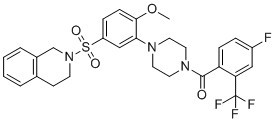


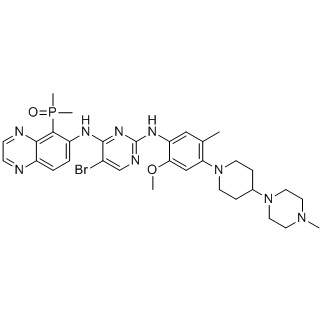
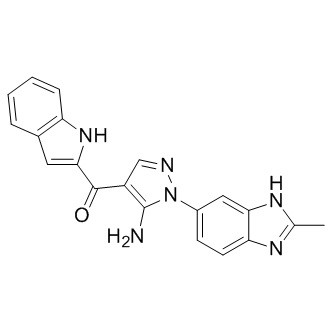
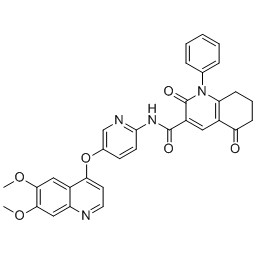

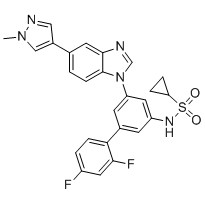

Tyrosine Kinase Library the process that manages how your cells grow and divide. That process involves:
Growth factors: Chemicals that control cell growth.
Tyrosine kinases: Enzymes inside your cells that control cell division.
Growth factors flip the switch that activates tyrosine kinases. In turn, tyrosine kinases signal cells so they start to divide. The cells continue dividing until tyrosine kinases turn off. Normal tyrosine kinases turn on and off as needed.
Treatment for chronic myeloid leukemia (CML) is a good example of how TKIs work. CML is a blood cancer that starts in the blood-forming myeloid cells (stem cells) in your bone marrow. When myeloid cells mutate, they make abnormal tyrosine kinase enzymes that turn on when the growth factor flips the switch. They never turn off.
Without an “off” switch, myeloid cells in your bone marrow divide and multiply uncontrollably, making it hard for your bone marrow to make other blood cells and platelets your body needs. Tyrosine kinase inhibitors treat CML by flipping the “on” switch to “off,” blocking abnormal enzyme signals that make cancerous cells divide.
Types of Tyrosine Kinase Library
Many reviewers have categorized KIs based on their binding modes into three classes, labeled as types I, II, and III kinase inhibitors (Roskoski, 2016; Bhullar et al., 2018). Type I inhibitors, such as gefitinib, bind to the active DFG-in conformation of a kinase in the phosphorylated ATP catalytic site, and they usually contain a heterocycle that mimic the purine ring of ATP. Considering that the ATP active site is highly conserved among different protein kinases, these ATP-competitive inhibitors display low selectivity profile which may lead to off-target side effects. While the physiological relevance of many off-target effects is still unclear, it was demonstrated that the lack of selectivity is connected with preclinical and clinical cardiotoxicity of kinase inhibitors (Force and Kolaja, 2011; Yang and Papoian, 2012). Possible mechanism behind the KI induced cardiotoxicity lies in binding of these drugs to colony-stimulating factor 1 receptor (CSF1R) (Hasinoff, 2010). Type II inhibitors, such as imatinib, bind to the inactive (DFG-out) conformation of a kinase in the unphosphorylated ATP catalytic site (Dar and Shokat, 2011). Zuccotto introduced type I½ inhibitors as compounds that bind to active ATP catalytic site as type I inhibitors but elongate into the back cavity of the ATP site giving rise to interactions specific for type II pharmacophore. These inhibitors represented by dasatinib, lapatinib, and vemurafenib, display higher selectivity profile as compared to Type I KIs (Zuccotto et al., 2010). Types III and IV are allosteric inhibitors that bind outside the ATP-binding site. Type III includes trametinib that binds to the allosteric site close to the ATP pocket, whereas Type IV inhibitors bind to a pocket distant from the ATP-binding site. Bivalent inhibitor spanning two regions of the protein kinase is termed as Type V (Wong et al., 2017), while KIs that form an irreversible covalent bond with the catalytic site represent Type VI inhibitors (afatinib and ibrutinib) (Roskoski, 2016).
Biochemical Mechanism Of Action Of Tyrosine Kinase Library


Tyrosine kinases are enzymes that selectively phosphorylates tyrosine residue in different substrates. Receptor tyrosine kinases are activated by ligand binding to their extracellular domain. Ligands are extracellular signal molecules (e.g. EGF, PDGF etc) that induce receptor dimerization (except Insulin receptor). Different ligands employ different strategies by which they achieve the stable dimeric conformation. One ligand may bind with two receptor molecules to form 1:2 ligand: receptor complex e.g. growth hormone and growth hormone receptor, while in other cases two ligands binds simultaneously to two receptors 2:2 ligand receptor complex and provides the simplest mechanism of receptor dimerization e.g. VEGF and VEGFR. The receptor dimerization is also stabilized by receptor–receptor interactions. Some ligand receptor is not sufficient for some complex and is stabilized by accessory molecules e.g. FGFs are unable to activate FGFR complex and is stabilized by heparin sulfate proteoglycans (HSPG). Ligand binding to the extracellular domain stabilizes the formation of active dimmers and consequently protein tyrosine kinase activation.
Structural studies of the catalytic core of several RTKs, supported by biochemical and kinetic studies of receptor phosphorylation have provided proof that receptor oligomerization increases the local concentration of the RTKs, leading to efficient transphosphorylation of tyrosine residues in the activation loop of the catalytic domain. Upon tyrosine phosphorylation the activation loop adopts an open conformation that gives access to ATP and substrates and makes ATP transfer from Mg-ATP to tyrosine residue on the receptor itself and on cellular proteins involved in signal transduction.
The ATP binding intracellular catalytic domain that catalyzes receptor autophosphorylation displays the highest level of conservation between the RTKs. The ATP binding site serves as a docking site for specific binding of cytoplasmic signaling proteins containing Src homology-2 (SH2) and protein tyrosine binding (PTB) domains. These proteins in turn recruit additional effector molecules having SH2, SH3, PTB and Pleckstrin homology (PH) domain. This results in the assembly of signaling complexes to the activated receptor and the membrane and subsequent activation of a cascade of intracellular biochemical signals, which leads to the activation or repression of various subsets of genes and thus defines the biological response to signals. During these processes, receptors migrate within the plasma membrane and are internalized through clathrin-coated invagination, which eventually seal off and forms an endocytic vesicle. The endocytic vesicles fuse with the lysosomes and in the process the receptor and ligand may be degraded by the lysosomal enzymes. The receptors are also recycled in some cases. During the whole process of receptor internalization the ligand receptor complex is dissociated and this results in the termination of the signaling reaction.
Compared with first- and second-generation TKIs, osimertinib is a third-generation EGFR-positive lung cancer targeted medication that significantly improves patients’ overall survival and progression-free survival. In patients with EGFR-mutated stage IB-IIIA NSCLC, adjuvant osimertinib after full tumor excision dramatically increases DFS and reduces the risk of both local and distant recurrence.Osimertinib has also shown favorable patient benefit in combination with other drugs. Several trials have demonstrated that combining tepotinib and osimertinib could potentially overcome resistance caused by MET amplification and lead to a significant improvement in the objective remission rate for patients with MET-amplified NSCLC.
The first MET tyrosine kinase inhibitor approved for treating NSCLC, is currently being developed to treat solid tumors.The drug has demonstrated significant activity in subgroups of patients with varying ages, prior treatments, and brain metastases, while maintaining a reasonable safety profile and few treatment discontinuations.
A MET inhibitor, works by stabilizing the inactive conformation of the MET RTK. It prevents both constitutive and ligand-mediated activation through an ATP-independent binding mechanism. In patients with HCC who have failed sorafenib treatment, MET overexpression has been shown to be a negative prognostic indicator. In a second-line therapy phase II study for advanced HCC patients, those in the MET high expression group who were given tivantinib showed almost double the PFS and OS compared with those who received a placebo. Furthermore, the combination of tivantinib and sorafenib also showed promising results.
Savolitinib is a MET inhibitor that has been developed to treat metastatic NSCLC, PRCC, gastric cancer, and CRC.Preclinical data suggest that the combination of EGFR TKIs and MET TKIs may be a possible treatment option for EGFR mutation-positive lung cancer with MET-driven acquired resistance. In patients with advanced NSCLC whose disease has progressed after previous use of an EGFR TKI and who have MET-amplification, the combination of savolitinib and osimertinib has shown promising antitumor activity with acceptable risk effects.In May 2020, the National Medical Products Administration of China accepted a new drug marketing application for the MET inhibitor savolitinib, intended for the treatment of NSCLC with MET exon 14 skipping. Savolitinib has been authorized as a novel medicine for both domestic and international markets.
SCC244 is a highly selective inhibitor of MET kinase that has demonstrated subnanomolar potency against MET kinase activity and excellent selectivity versus other evaluated protein kinases. The administration of SCC244 has shown strong anticancer efficacy at well-tolerated levels in xenografts of human tumor cell lines or NSCLC and HCC patient-derived tumor tissue driven by MET abnormality. These findings provide a solid platform for the clinical examination of SCC244 in patients with malignancies that are altered along the MET pathway.A study demonstrated that when SCC244 and HAI-2 were used together, they had a greater inhibitory effect on the proliferation of RCC cells compared with when either inhibitor was used alone.
Demonstrated significant antitumor activity in patients with advanced NSCLC characterized by MET exon 14 skipping mutations, particularly in those who had not received prior treatment. A clinical trial involving 364 patients evaluated the efficacy of capmatinib. Among patients with NSCLC and a MET exon 14 skipping mutation who had previously undergone one or two lines of therapy, an overall response rate of 41% (95% confidence interval [CI], 29–53) was observed. For patients who had not received any prior therapy, the overall response rate was 68% (95% CI, 48–84). The median duration of response was 9.7 months (95% CI, 5.6 to 13.0) for previously treated patients and 12.6 months (95% CI, 5.6 to could not be estimated) for treatment-naïve patients. However, patients with MET amplification, who had undergone prior treatment and had a gene copy number of less than 10, exhibited limited efficacy with an overall response rate of 7−12%.

The SRC, Abelson murine leukemia viral oncogene homolog 1, TEC and C-terminal SRC Kinase families of non-receptor tyrosine kinases (collectively the Src module kinases) mediate an array of cellular signaling processes and are therapeutic targets in many disease states. Crystal structures of Src modules kinases provide valuable insights into the regulatory mechanisms that control activation and generate a framework from which drug discovery can advance. The conformational ensembles visited by these multidomain kinases in solution are also key features of the regulatory machinery controlling catalytic activity.
Measurement of dynamic motions within kinases substantially augments information derived from crystal structures. In this review, we focus on a body of work that has transformed our understanding of non-receptor tyrosine kinase regulation from a static view to one that incorporates how fluctuations in conformational ensembles and dynamic motions influence activation status. Regulatory dynamic networks are often shared across and between kinase families while specific dynamic behavior distinguishes unique regulatory mechanisms for select kinases.
Moreover, intrinsically dynamic regions of kinases likely play important regulatory roles that have only been partially explored. Since there is clear precedence that kinase inhibitors can exploit specific dynamic features, continued efforts to define conformational ensembles and dynamic allostery will be key to combating drug resistance and devising alternate treatments for kinase-associated diseases.
Certifications

Our Factory
We insist the principle of "Quality first, customer foremost, best credit, be pioneering and creative", looking forward to establishing good business relationships with customers all over the world. Suzhou Ureiko is a reliable world supplier in fine chemicals and custom manufacturing. We understand your needs, and will try to help our customers to advance the research and development in a wide variety of areas. We strive to benefit our customers and partners.Let's work together for bright future!

FAQ
As one of the most professional tyrosine kinase library enterprises in China, we're featured by small molecules chemicals and inhibitors. Please rest assured to buy custom made tyrosine kinase library from our factory. For OEM service, contact us now.