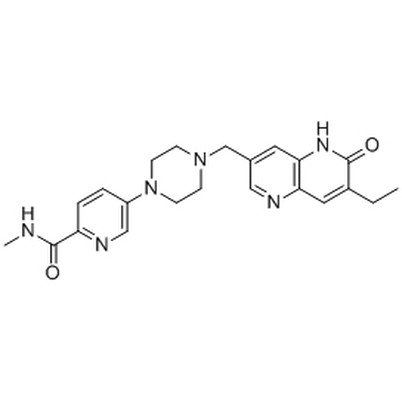
Is CF - 102 biodegradable?
Leave a message

Hey there! As a supplier of CF - 102, I often get asked this burning question: "Is CF - 102 biodegradable?" Well, let's dig deep into this topic and find out.
First off, let's understand what CF - 102 is. CF - 102 is a compound that has shown a lot of potential in various fields, especially in the medical and pharmaceutical industries. It's been studied for its anti - cancer properties and its ability to interact with certain biological pathways in the body. But when it comes to its biodegradability, things get a bit more complicated.
Biodegradability refers to the ability of a substance to be broken down by living organisms, usually bacteria or fungi, into simpler substances over time. This process is crucial as it helps in reducing the environmental impact of chemicals and waste products. So, is CF - 102 up to the mark in this regard?
The scientific research on the biodegradability of CF - 102 is still in its early stages. There isn't a whole lot of data available yet, which makes it tough to give a definitive answer. However, we can look at some related compounds and their biodegradability to get an idea.
For example, take Limonianin (Synonyms: Atalantoflavone) CAS No.: 119309 - 02 - 3. Limonianin is a natural compound, and natural compounds generally have a better chance of being biodegradable because they are often made up of structures that living organisms can recognize and break down. Many natural flavonoids, like limonianin, are broken down by soil bacteria and fungi. These microorganisms have enzymes that can cleave the chemical bonds in the flavonoid structure, turning it into smaller, more environmentally friendly molecules.
On the other hand, CFI02 CAS No.:273735 - 28 - 7 is a synthetic compound. Synthetic compounds can be a mixed bag when it comes to biodegradability. Some synthetic chemicals are designed to be very stable and resistant to degradation, which can be great for their intended use but not so great for the environment. However, there are also synthetic compounds that are engineered to be more biodegradable. The key lies in their chemical structure. If a synthetic compound has chemical bonds that are similar to those found in natural substances, it may be more likely to be broken down by living organisms.
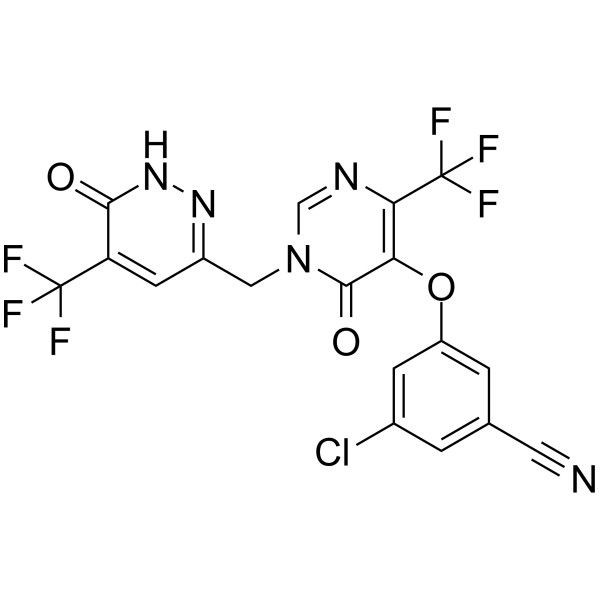

Now, back to CF - 102. Its chemical structure plays a huge role in determining its biodegradability. CF - 102 has a complex molecular structure with multiple functional groups. Some of these functional groups might be more susceptible to enzymatic attack by microorganisms than others. For instance, if it has ester or amide bonds, these are relatively easy for certain enzymes to break. But if it has highly stable carbon - carbon bonds or halogenated groups, it could be more resistant to degradation.
Another factor to consider is the environment in which CF - 102 is present. Biodegradation rates can vary greatly depending on the temperature, pH, oxygen levels, and the presence of other substances in the environment. In a soil environment, for example, there is a rich community of bacteria and fungi that can potentially break down CF - 102. But in an aquatic environment, the types of microorganisms and the conditions are different, which can affect the biodegradation process.
Some initial laboratory studies on CF - 102 have shown that under certain conditions, there is some degree of degradation. However, these studies are limited in scope and may not accurately represent what happens in the real world. In the real environment, there are many variables that can either speed up or slow down the biodegradation process.
Let's also talk about the implications of CF - 102's biodegradability. If CF - 102 is biodegradable, it would be a huge plus for the environment. It would mean that any waste or unused CF - 102 would not accumulate in the environment over time, reducing the risk of pollution. This is especially important considering the potential large - scale use of CF - 102 in the future, as more research is done on its medical applications.
On the other hand, if CF - 102 is not biodegradable, it could pose some environmental challenges. It might end up persisting in the environment, potentially entering the food chain and causing harm to wildlife and humans in the long run. This is why it's so important to continue researching its biodegradability.
Now, let's look at Ulonivirine (Synonyms: MK - 8507) CAS No.: 1591823 - 76 - 5. Ulonivirine is another compound in the same general area of research as CF - 102, being used in the fight against certain viruses. Its biodegradability has also been a topic of study. Some research has shown that it can be broken down to a certain extent in the environment, but again, the process is slow and depends on many factors.
As a supplier of CF - 102, I'm committed to promoting sustainable practices. Whether CF - 102 is biodegradable or not, I believe in taking steps to minimize its environmental impact. This includes proper waste management and working with researchers to develop more environmentally friendly ways of using and disposing of CF - 102.
If you're interested in learning more about CF - 102 or have any questions regarding its potential applications, biodegradability, or anything else, I'd love to have a chat. We can discuss how CF - 102 can fit into your research or projects. Don't hesitate to reach out for a procurement discussion. I'm here to help you make the best decisions when it comes to using CF - 102.
In conclusion, while the question "Is CF - 102 biodegradable?" doesn't have a clear - cut answer yet, the ongoing research is promising. We need more studies to fully understand its biodegradability and to develop strategies to manage its environmental impact. As we wait for more data, it's important to approach the use of CF - 102 with caution and a focus on sustainability.
References
- General knowledge on biodegradability and chemical structures
- Preliminary laboratory studies on CF - 102
- Research on related compounds such as limonianin, CFI02, and ulonivirine