

Why Choose Us
Our Product
The product range covers a variety of inhibitors, agonists, and compound libraries, more than 10,000 specific inhibitors, agonists, and Libraries of over 100 active compounds.
Product Application
Is committed to providing novel and complete high quality small molecule active compounds to customers worldwide.
Our Advantages
We insist the principle of "Quality first, customer foremost, best credit, be pioneering and creative", looking forward to establishing good business relationships with customers all over the world.
Customer Service
Is to be recognized by our clients as one of the best suppliers of chemical products for our superior quality, efficient and cost-effective services.
What is PROTAC?
Proteolysis-targeting chimeras, commonly known as PROTACs, are innovative small molecules designed to harness the cell's natural waste disposal system to degrade specific proteins. This mechanism of action is a stark departure from the more traditional approach of using small molecules to inhibit protein function. Instead of simply blocking protein activity, PROTACs aim to eliminate the protein altogether, often making them more effective in scenarios where protein inhibition is insufficient.


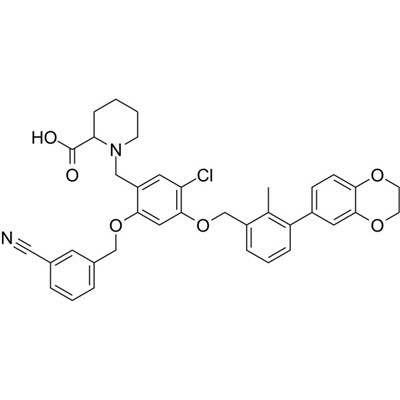
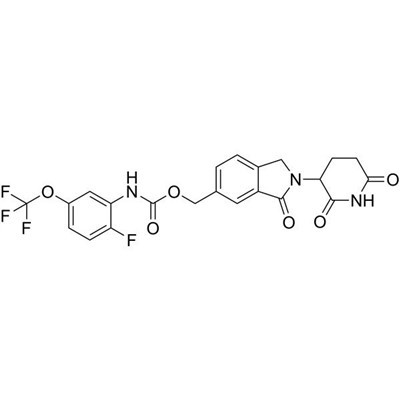
Elements of PROTAC Design
(1) Selection of POI ligands
POI ligands are generally selected from listed or literature-reported inhibitors with certain activity, which can be divided into reversible inhibitors, covalent irreversible inhibitors and covalent reversible inhibitors according to whether the inhibitors can form covalent bonds. Depending on the binding pocket, they can be further classified into ATP-competitive inhibitors and metastable inhibitors. In order to obtain PROTAC with intellectual property, certain structural derivatization of the inhibitor is often done first, and the optimized inhibitor is used as a ligand for POI.
(2) Selection of E3 ligases and their ligands
The main E3 ligases reported in the literature for application to PROTAC are CRBN, VHL, cIAP and MDM2, among which the more effective and most frequently used are CRBN and VHL. Among them, the ligands of CRBN are mainly lenalidomide, pomalidomide and their analogues, and the ligands of VHL are mainly VHL-L.
(3) Selection of Linker
Alkyl, PEG, and extended glycol chains are by far the most common linker motifs appearing in published degrader structures. It has been reported in the literature that the length of the linker also affects the PROTAC degradation activity, and the commonly used linker lengths are generally in the range of 4-15 carbon atoms (or heteroatoms). Depending on the target site, the length of the linker has different effects on the degradation activity. In addition, Click chemistry is often applied among the linkers of PROTAC molecules for linking the two ends of the molecules due to milder reaction conditions and higher efficiency.
(4) Selection of linker sites and composition of linker sites
PROTAC is structurally linked to two ligands by a linker. in addition to the composition and length of the linker, the site of linker connection also affects the degradation activity and even the selectivity. the linking site of POI ligand and E3 ligase ligand is generally in the region where the ligand is exposed to the solvent. The linkage sites are generally linked by amide bonds, carbon atoms or heteroatoms (e.g. O, N, etc.), by condensation reactions or nucleophilic substitution reactions, etc. The role of junction design in PROTAC was recently described in an article published in J Med Chem by Michael D. Burkart et al.
Application of PROTAC

Cancer treatment
Targeting and destroying particular proteins linked to the initiation and progression of cancer has shown promise for PROTACs. To target and degrade proteins like the androgen receptor (AR) in prostate cancer, the estrogen receptor (ER) in breast cancer, and the BCR-ABL in chronic myeloid leukemia, for instance, PROTACs have been designed.

Neurodegenerative diseases
Targeting disease-associated proteins involved in neurodegenerative disorders may be made possible by PROTACs. For instance, studies into PROTACs ability to breakdown proteins like tau and alpha-synuclein, which are linked to Alzheimer's and Parkinson's illnesses, respectively, are currently underway.

Immunology and autoimmune disorders
By focusing on and selectively destroying particular immune regulation-related proteins, PROTACs have the ability to modify immune responses. This method might be investigated for the treatment of autoimmune diseases like inflammatory bowel disease or rheumatoid arthritis.

Infectious diseases
To target and degrade proteins required for the survival and reproduction of infectious organisms, PROTAC technology may be used. By breaking down these proteins, PROTACs may thwart the spread of infection and open a new door for antiviral or antibacterial treatments.
PROTAC vs. Traditional Small-Molecule Drugs: Advantages
Wider range of action, higher activity, and the ability to target undruggable targets
Traditional small molecules and antibodies inhibit the function of target proteins through an "occupancy-driven" pharmacology model, which requires high concentrations of the inhibitor or monoclonal antibody to occupy the active site of the target and block downstream signaling pathways. In contrast, PROTAC is "event-driven", not affecting the function of the protein, but mediating the degradation of the disease-causing target protein. As long as PROTAC mediates the formation of the ternary complex and ubiquitinates target protein, it is theoretically recyclable and therefore can be used repeatedly in catalytic amounts.
Improved selectivity, activity and safety
Compared to traditional small molecule inhibitors, PROTAC can achieve selectivity at certain targets that is difficult to achieve with small molecules. For example, the multi-targeted tyrosine kinase inhibitor (TKI) Foretinib can bind more than 130 kinases. The results showed that compound 1 and compound 2 could only degrade 36 and 62 proteins, respectively, and only 12 were degraded by both.
PROTAC technology can not only achieve selectivity that is difficult to achieve with small molecule inhibitors, but also has very significant advantages in enhancing activity. Taking BET (BRD2/3/4), the earliest target applied by PROTAC technology, as an example, QCA570, discovered by Qin Chong et al, showed significantly better cellular anti-proliferative activity than inhibitors such as JQ1, whose activity was mostly at nanomolar level, while QCA570 increased its activity by three orders of magnitude, reaching an amazing picomolar level. Based on the excellent in vitro cellular anti-proliferative activity, the degraders also showed potent anti-tumor activity in vivo and exhibited low dose and low frequency of administration as well.
Overcome drug resistance
Small molecule inhibitors or antagonists are inevitably subject to acquired drug resistance during clinical use, such as EGFR-T790M and C797S resistance. Although resistance can be addressed by developing new generations of inhibitors, such as third- and fourth-generation EGFR, new resistance will emerge with the use of new generations of drugs.PROTAC technology has shown some advantages in overcoming drug resistance. Groups such as Crews, Jian Jin, Sanqi Zhang and Gray have related EGFR-PROTACs studies aiming to overcome drug resistance mutations through protein degradation pathways or find breakthrough inhibitors for protein degradation therapies. It can be seen that the first, second, third and fourth generation inhibitors have been applied to the design of PROTACs as ligands for binding the target protein EGFR. Among them, Gray's group has also applied metamorphic inhibitors to PROTAC with good results, selectively degrading different EGFR mutants while circumventing the degradation of wild type. This selectivity was further validated by in vitro anti-proliferative activity.
Drug resistance: PROTACs can target disease-causing proteins that are difficult to inhibit with traditional small molecule drugs. By promoting protein degradation, PROTACs can overcome drug resistance mechanisms that develop due to mutations or adaptive changes in the target protein.
Undruggable targets: Many disease-associated proteins are considered "undruggable" because they lack suitable binding pockets for small molecule inhibitors. PROTACs can bypass this limitation by targeting the protein for degradation, regardless of its druggability.
Selectivity: PROTACs can achieve high selectivity by exploiting the cellular machinery responsible for protein degradation. This enables precise targeting of disease-causing proteins while minimizing off-target effects on other cellular proteins.
Improved potency: PROTACs often exhibit higher potency than traditional small molecule inhibitors. By continuously removing the target protein through degradation, PROTACs can achieve a sustained reduction in protein levels, leading to enhanced therapeutic efficacy.
Tackling protein-protein interactions (PPIs): PPIs are challenging to disrupt using small molecules due to the large, flat surfaces involved. PROTACs can selectively recruit E3 ubiquitin ligases to the protein complex, leading to ubiquitination and degradation of the target protein, thereby disrupting the PPI.
Overcoming drug pharmacokinetic limitations: Some drugs suffer from poor pharmacokinetic properties, such as low bioavailability or rapid clearance. PROTACs can potentially enhance drug-like properties by facilitating intracellular delivery and extending the half-life of the target protein through continuous degradation.
Combination therapies: PROTACs can be employed in combination with existing drugs to enhance therapeutic outcomes. By targeting specific proteins for degradation, PROTACs can synergize with other drugs, leading to improved efficacy and overcoming drug resistance.
Major Trends In The Future Development Of Protac
Identify Optimal Protein Degradation Targets
The first batch of clinical phase proteolytic agents selected are clinically proven mature targets, such as the androgen and estrogen receptors selected by Arvinas. Targeted products have been developed with moderate success, and the potential of PROTACs as a therapeutic modality has been validated. However, the real potential of this treatment model lies in reaching targets that are difficult or undruggable with current treatment models.
Expansion of Available E3 Ligases
More than 600 E3 ubiquitin ligases are encoded in the human genome. However, only a few E3 ligases (VHL, CRBN, etc.) are currently used for PROTAC design. How to expand E3 ubiquitin ligases that can be used for PROTAC technology is also one of the challenges PROTAC faces.
Expand the scope of clinical treatment beyond oncology Treating Diseases Beyond Oncology
So far, research on protein degraders has mainly focused on the oncology field, but since protein degraders may degrade any chosen target, their application can be broader. In fact, in recent years, protein degraders have gradually been used in fields other than oncology, such as neurodegenerative diseases. And there is a breakthrough in inflammation/immunology field.
Develop innovative PROTAC modes
In addition to PROTAC, various novel protein degradation technologies have been developed, further expanding the range of targets that can be targeted by this technology. Innovative PROTAC strategies, including biology-based PROTACs (bioPROTACs) and hybrid PROTACs (Hybrid PROTACs), may further expand the range of targets that PROTACs can target.
PROTACs are highly appealing to drug developers as they have the potential to target the ‘undruggable’ proteome. Typically, the druggability of a protein depends on the inhibition of its activity. This is achieved by designing small molecules that can bind to a cavity or pocket in the protein of interest and block its function. However, there are several protein–protein interactions (PPIs) with flat protein surfaces and without deep pockets or well-defined binding sites, making them undruggable. PROTACs, on the other hand, regulate protein function by degrading target proteins instead of inhibiting them. They show better selectivity compared to inhibitors and avoid misinterpretations that arise from potential genetic compensation and/or spontaneous mutations owing to other gene editing tools. They are well distributed in the body and can be manufactured using suitable processes. Although they have relatively large molecular mass, PROTACs can endure sufficient intracellular concentrations of endogenous proteins, which helps them in protein degradation.
PROTACs show potential therapeutic benefits across a range of diseases such as cancer, viral infections, immunological disorders and neurodegenerative diseases. They can be administered orally, via injections or infusion. Arvinas, the pioneer of targeted protein degradation technology, demonstrated that PROTAC protein degraders can successfully penetrate the blood-brain barrier, which is vital for developing neurodegenerative drugs.

Certifications

Our Factory
We insist the principle of "Quality first, customer foremost, best credit, be pioneering and creative", looking forward to establishing good business relationships with customers all over the world. Suzhou Ureiko is a reliable world supplier in fine chemicals and custom manufacturing. We understand your needs, and will try to help our customers to advance the research and development in a wide variety of areas. We strive to benefit our customers and partners.Let's work together for bright future!

FAQ
As one of the most professional protac enterprises in China, we're featured by small molecules chemicals and inhibitors. Please rest assured to buy custom made protac from our factory. For OEM service, contact us now.